Beautiful Plants For Your Interior
Handmade pet art has a presence that machines rarely manage to reproduce. People often struggle to explain it. When someone sees a hand-carved portrait for the first time, they usually pause for a moment and say something simple like, “It feels alive.” That reaction does not come from the overall design. It comes from details that are almost invisible.
When my Tungsten Carbide Scribe touches a sheet of 3mm optical-grade acrylic, I immediately feel a faint vibration through my fingertips. It is not a harsh resistance. It is not a scraping sensation either. It feels more like the material is quietly responding to pressure. That physical feedback guides the entire carving process. Laser engraving does not work that way. A laser burns the surface evenly, leaving a consistent texture across the entire panel. It is precise, efficient, and predictable. Hand carving leaves something else behind. Hundreds—sometimes thousands—of tiny angled surfaces created by the blade. Most of them are too small to notice directly. But when daylight touches those surfaces, something interesting happens. The light begins to scatter rather than reflect evenly. The portrait suddenly gains depth. This is often the moment when clients understand why they chose Handmade pet gifts instead of a mass-produced alternative. Sometimes the conversation begins with a single sentence: “I miss my dog.” A short message. A photograph attached. Nothing else.
At that moment, the work stops feeling like a product. It becomes something closer to a memory project.
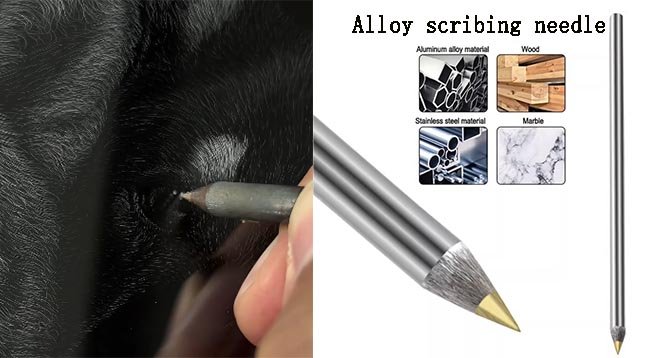
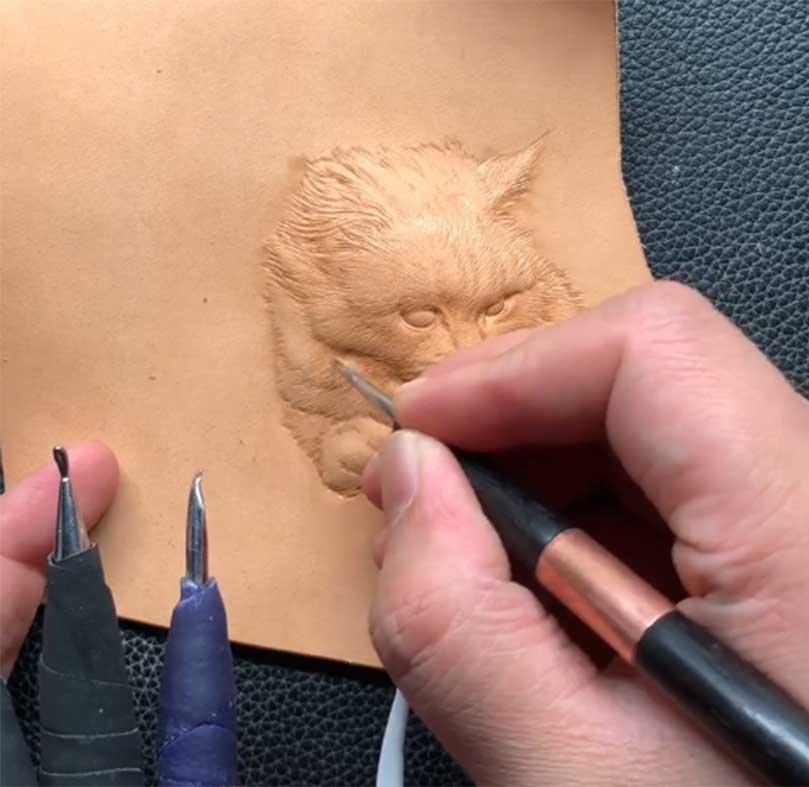
When carving 3D pet portraits, I rarely aim for perfectly straight lines. Industrial machines pursue precision at the level of 0.01 millimeters. In manufacturing, that level of accuracy is essential. But handmade carving follows a different logic. I often allow the blade to deviate slightly—sometimes by about one degree. That sounds like an imperfection. In reality, it is the key to how light behaves on the surface. Each carving stroke creates a tiny plane with a slightly different angle. When sunlight reaches the acrylic, the reflections are no longer uniform. Instead, they shift gradually depending on the viewing angle. The effect is subtle but powerful. Fur textures develop soft shadows. The eye area begins to look deeper. Edges create a faint halo under daylight. Laser engraving, by contrast, produces extremely clean surfaces. Perfectly clean, in fact. But that uniformity often leads to a flat visual effect. The surface reflects light in almost the same way across the entire piece. Handmade carving introduces irregularities that allow light to move. The portrait becomes less like a printed image and more like a shallow sculpture embedded in transparent material. That small difference changes how people experience the artwork.
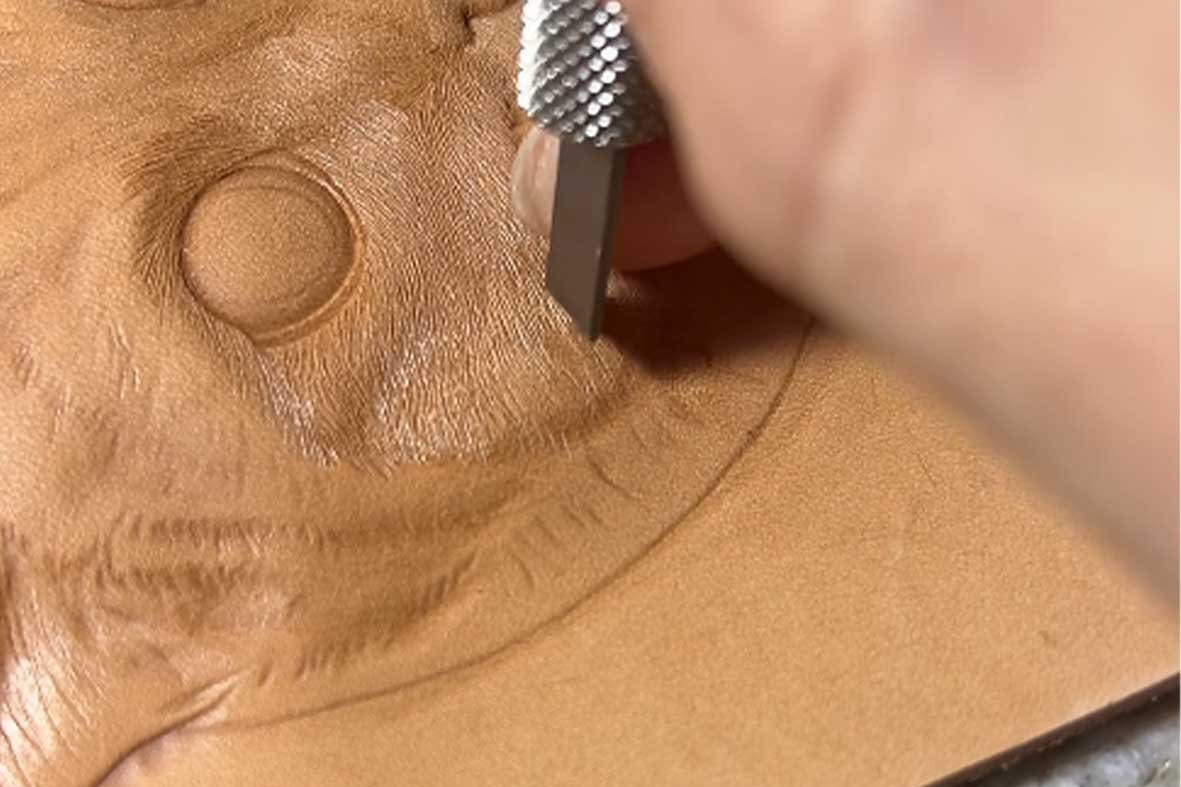
Before working with acrylic panels, I spent several years studying leather carving techniques. Leather behaves in a completely different way from acrylic. When a blade presses into leather, the material does not simply cut. The internal fibers shift and compress, creating subtle changes in texture around the incision. In other words, the surface remembers the movement of the blade. This technique is partly inspired by traditional Mongolian leather carving, where the rhythm of the hand determines the final depth of each line. A carving stroke is rarely completed in one pass. The first pass defines direction. The second pass deepens structure. The third pass refines the way light will fall into the line. Because of this layered process, leather surfaces develop a kind of natural shading under daylight. The shadows appear softer and more organic compared to synthetic materials. That is why many clients choose handmade leather pet custom gifts when they want something with emotional warmth. Machines can replicate outlines. Hands introduce rhythm. And rhythm is what makes a surface feel alive.
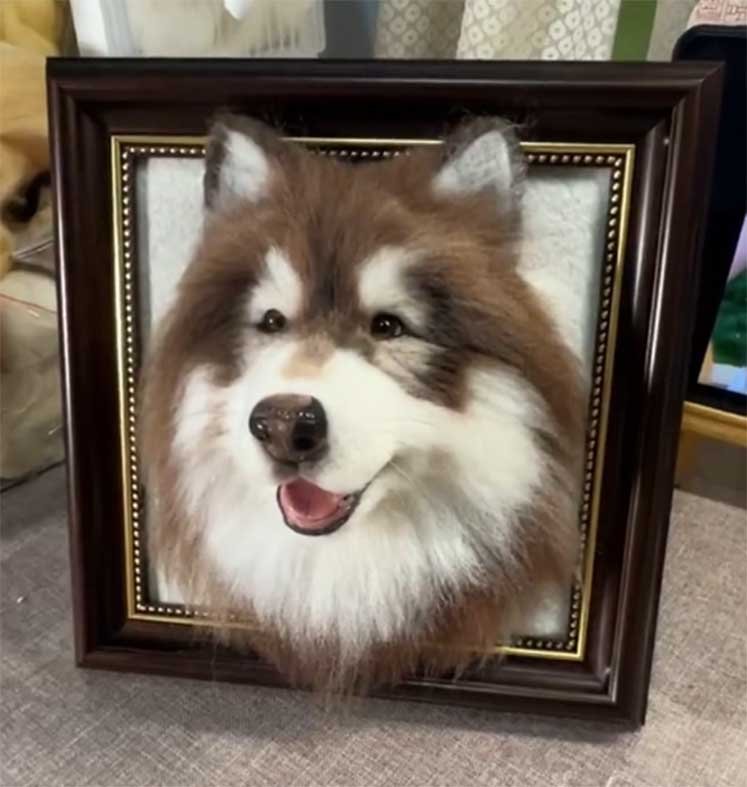
Many families choose to remember their pets with a small dog figurine. Most figurines on the market are produced using resin molds. The process allows factories to reproduce the same design thousands of times with identical proportions. They look clean. They look symmetrical. and they also look identical. A handmade dog figurine works differently. When sculpting a dog’s face by hand, small variations appear naturally. The direction of the fur texture may shift slightly. The curve of an ear might not match the other side perfectly. The shadow around the eyes may deepen more on one side. These details are subtle enough that people rarely notice them immediately. But when the sculpture is placed near a window, and the light begins to change throughout the afternoon, those variations become visible. The figurine seems to respond to light. I once placed a handmade dog figurine next to a factory resin version on the same shelf near my studio window. At noon, they looked almost identical. By sunset, the difference became obvious. One remained static. The other seemed to develop expression as the shadows shifted. That is the quiet advantage of handmade work.
Many clients write the same sentence before placing an order. “I miss my dog.” It is usually the shortest message in the entire conversation. But it carries the most weight. People who write that line are not really looking for decoration. They are looking for something that can hold a memory in physical form. Printed photographs can capture appearance. Carved pet gifts, however, add another dimension: touch. When a finger moves slowly across engraved fur lines, the brain processes the texture almost like a tactile map. Each ridge and groove becomes a pathway for memory. I understand this feeling well. I have a dog of my own. His name is Beibei. Sometimes when I carve the eyes of someone else’s dog, my hand pauses for a moment without thinking. Because that is usually where memory stays the longest. In the end, the purpose of Handmade pet art is not perfection. It is presence. A reminder that the smallest marks—sometimes only visible when light moves across them—can hold an entire story.