Beautiful Plants For Your Interior
Introduction
Grief Healing Art sounds like something you’d read on a design blog and scroll past.
Until you’re sitting across someone who just lost their dog, and they keep pausing mid-sentence like the air in the room got heavier overnight.
I’ve seen that more than I expected.
Not just sadness — something more physical. A kind of pressure.
Almost like the space itself becomes harder to exist in.
Too many solid objects. Too many framed memories. Too many surfaces that don’t let anything escape.
I started calling it, half-jokingly at first, visual suffocation.
And somewhere in the middle of working on acrylic pieces — not intentionally, not even as a concept — I realized something was different.
These pieces didn’t hold memory the same way.
They didn’t trap it.
They let it move.
Traditional frames seal memory.
Glass. Backing board. Fixed edge. No exit.
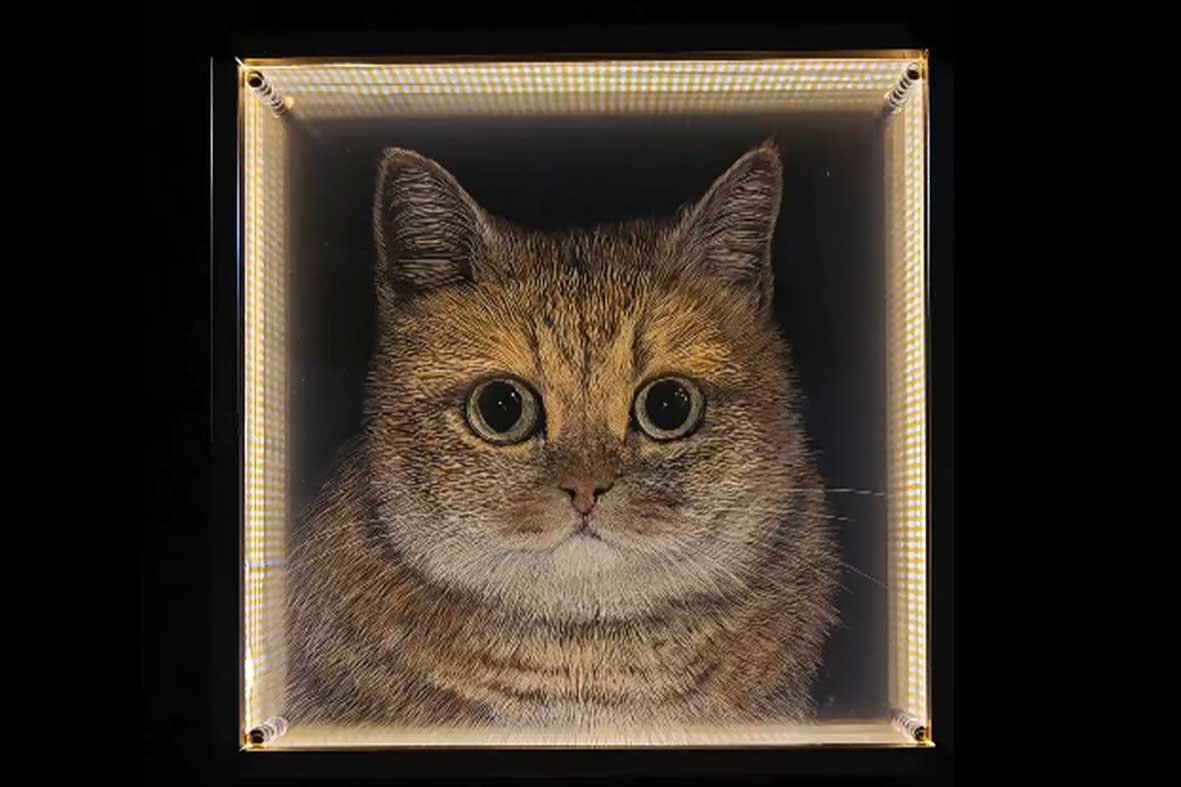
Acrylic 3d pet portraits don’t behave like that.
Around 4 PM — west-facing light, especially in winter — something happens that I didn’t plan for but now rely on.
The engraved lines start casting double shadows on the wall. Slightly offset. Soft. Not fully attached to the object itself.
That “ghosting” effect only really shows up when you move beyond thinner sheets.
But even at minimal thickness, the light doesn’t just stop — it travels.
And that matters more than likeness.
Static images confirm absence.
Light movement interrupts it.
Not all custom cat gifts help. Some just package grief into something more presentable.
Here’s the uncomfortable part:
The more realistic it gets, the heavier it feels.
Too much detail builds density.
Too much density builds pressure.
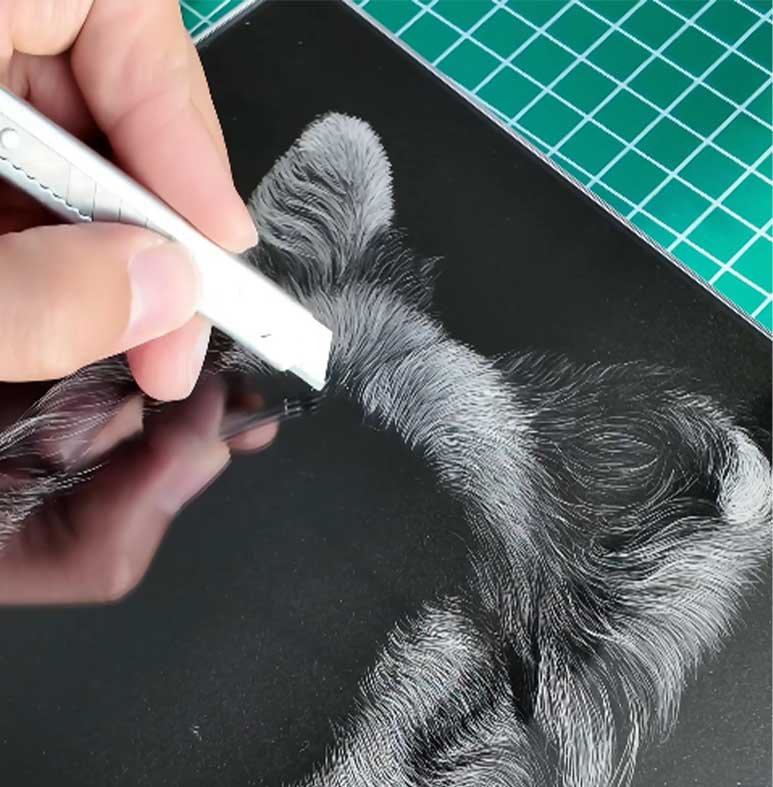
In my workflow, I do what I call density management.
I won’t fully carve the eye area.
Whiskers stay partially implied.
Some transitions are intentionally left unresolved.
Because the brain fills gaps better than it handles overload.
Relief doesn’t come from accuracy.
It comes from controlled absence.
Most gifts for dog lovers are designed to impress.
Not to support.
Dark frames. High contrast. Sharp shadows.
All of that adds weight.
I’ve tested the same portrait across materials, same engraving depth, same lighting:
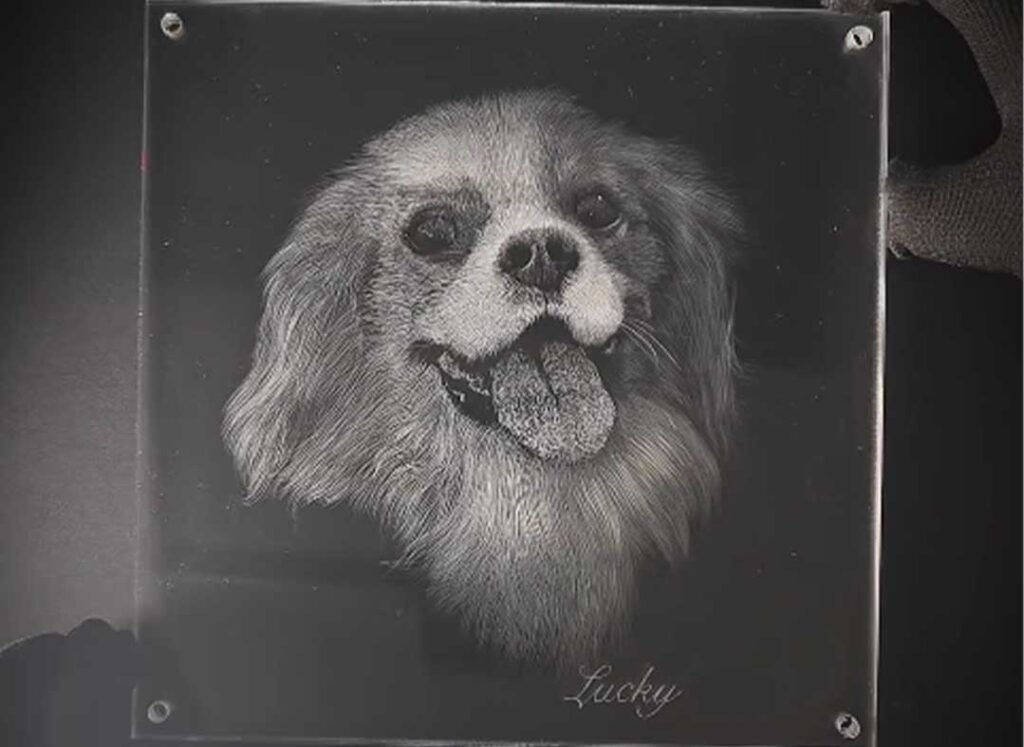
1mm acrylic → faster light transmission, almost no visual resistance, feels lighter
3mm acrylic → deeper refraction, slower light falloff, stronger sense of presence
People early in grief almost always lean toward thinner material.
Not because it looks better.
Because it feels easier.
This isn’t preference.
It’s tolerance.
This type of commission is tricky.
“dad gifts from the dog” can easily become too direct. Too symbolic. Too final.
One client told me:
“I don’t want to feel like he’s gone every time I look at it.”
So I adjusted the structure.
Reduced foreground depth.
Increased edge transparency.
Left micro gaps between engraved layers.
The figure still shows up.
But it doesn’t fully land.
That unfinished presence — that’s the point.
Early grief doesn’t need permanence.
It needs flexibility.
Acrylic works because it doesn’t behave like a closed object.
It transmits light.
Reflects it.
Sometimes bends it just enough to soften edges.
That slight distortion — controlled, not accidental — reduces sharpness in how the image is perceived.
I wouldn’t call it healing.
But it does take the edge off.
Q1: Does thicker acrylic always feel better for memorials?
A1:Not necessarily. Thicker acrylic increases presence, but also emotional weight. For early grief, thinner sheets like 1mm are often easier to live with.
Q2: Why does transparency reduce visual pressure?
A2:Because the brain doesn’t read it as a closed form. Light passing through interrupts the sense of finality.
Q3: Is more realistic always better for pet memorial art?
A3:No. Over-realism can increase emotional load. A slight level of abstraction often feels more breathable.
Some materials hold memory in place.
Others let it move.
Acrylic does the second.
I didn’t expect that when I started working with it.
But after enough pieces, enough conversations —
it’s hard to ignore.