Beautiful Plants For Your Interior
Introduction
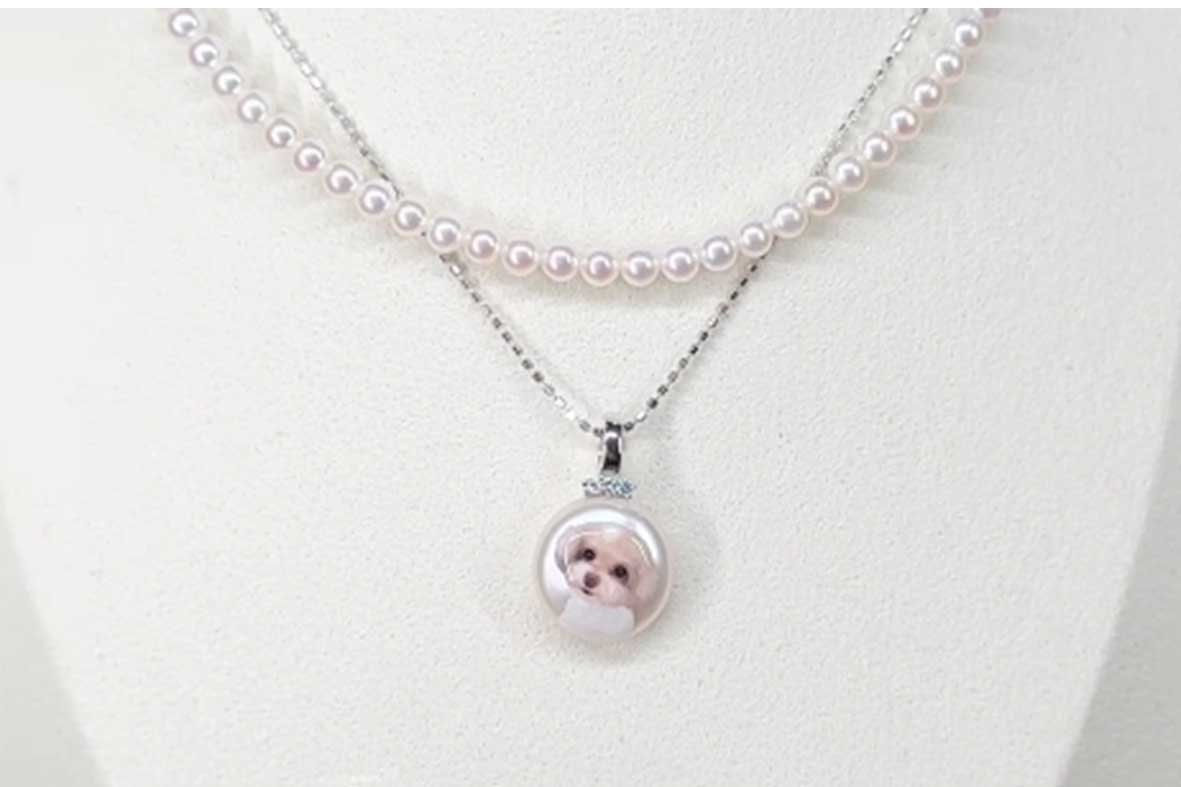
I still remember the exact moment I messed up a nearly finished Custom Pet Necklace. It was late. The kind of late where the room is quiet but your head isn’t. There was this faint burnt smell on the workbench — acrylic dust mixed with something metallic. I had already spent close to three hours on that piece. A small dog. White fur, slightly curled around the ears. The client sent one last message:
“Can the eyes feel softer?”That word — softer — sounds harmless. It’s not.
I adjusted the highlight. Just a tiny shift. Maybe half a millimeter.
And then I knew. Immediately. It was gone. The expression. The thing that made it that dog.
I didn’t fix it. I couldn’t. I had to start over.
That’s usually where the price starts making sense. Not on the product page. Not when you compare listings. It starts here — in the moment something almost works, and then doesn’t.
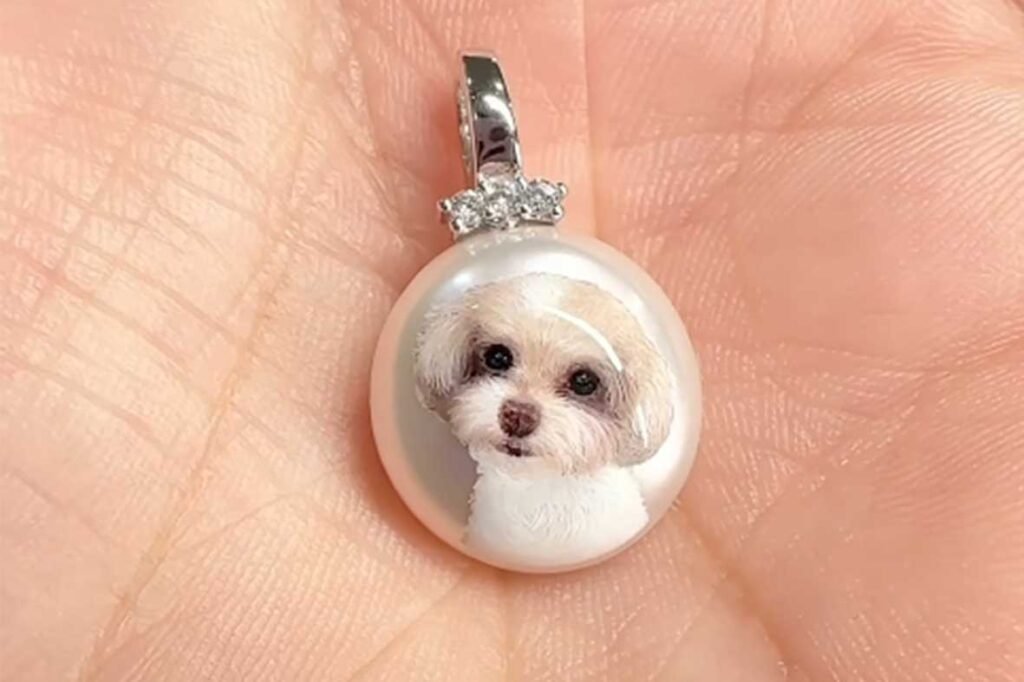
When people search for a Custom Pet Necklace, they usually think they’re buying an object. They’re not. At least, not really.
A large part of the cost isn’t the chain, or the base, or even the visible design. It’s the attempt to translate something that was never meant to be flattened into an image.
There’s a difference between something that “looks like your pet” and something that feels like your pet. Most mass-produced pieces stop at the first one. They get the fur color right. Maybe the outline too.
But they miss the hesitation in the eyes. The asymmetry. That slightly uneven ear angle that only exists because your dog always slept on one side.
I log my time, loosely. Not for customers—mostly to keep myself honest.
A typical piece, if nothing goes wrong:
That’s already over an hour before it even starts to look like something.
And things do go wrong.
More often than I like to admit.
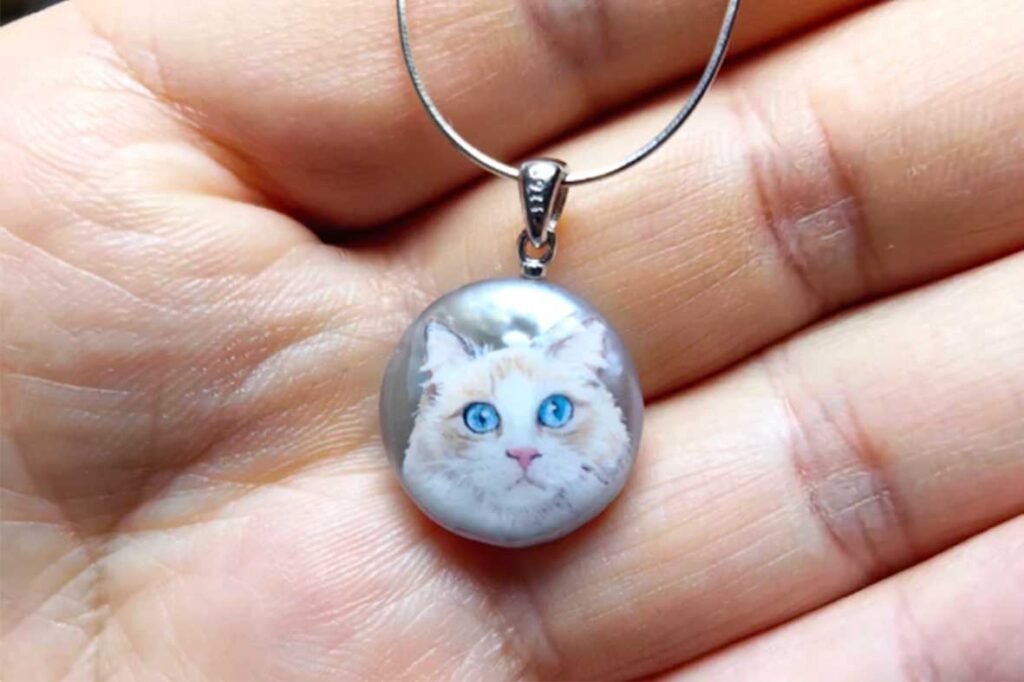
I didn’t expect this at first, but cat owners are… different.
More precise. Less forgiving.
You move a dog’s feature slightly, and it still reads as the same dog. You move a cat’s eye spacing by even a fraction, and it becomes another animal entirely.
I once finished a piece that I thought was technically solid. Clean lines. Balanced. Good contrast.
The client replied:
“It’s beautiful. But it’s not her.”
That sentence stayed with me longer than any positive review.
Because it wasn’t wrong.
And this is where the idea of a “Cat Mom Gift” shifts. It’s not just a gift. It’s closer to a reconstruction. A retrieval attempt. Something emotional enough that small inaccuracies feel loud.
People are not just paying for effort here. They’re paying for the risk that it might still not be enough—and choosing to try anyway.
Printing is efficient. That’s not the problem.
The problem is what it leaves out.
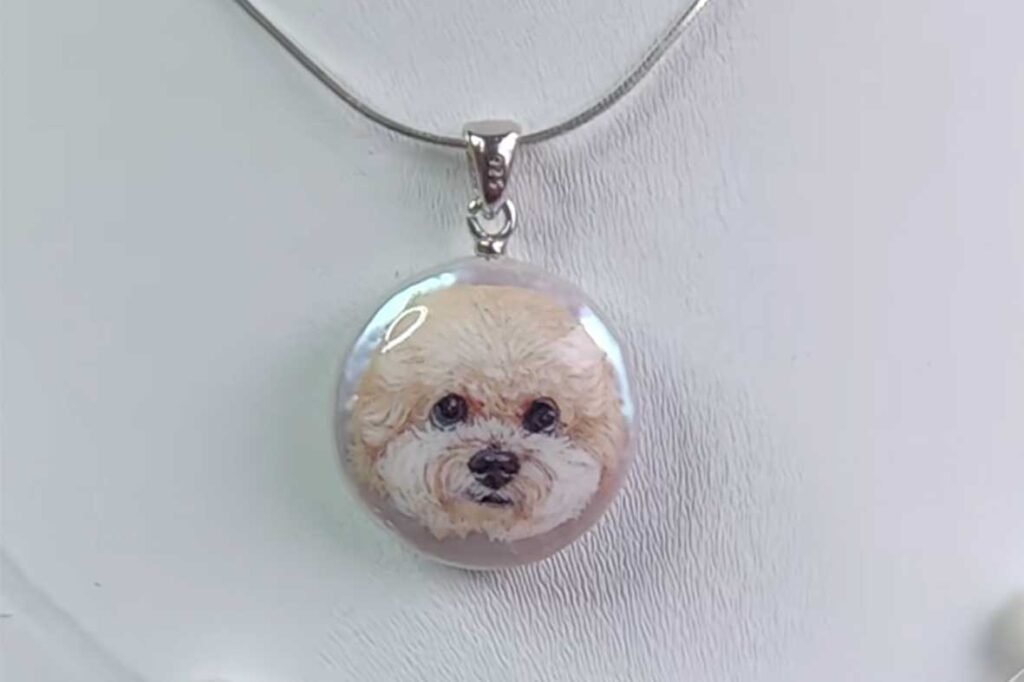
When I work on fur, I don’t really “paint” in the traditional sense. It’s more physical than that.
Press. Lift. Drag.
Sometimes I use a 0/3 liner brush. Sometimes one that’s slightly damaged, because the split tip creates irregular lines that look more like actual fur.
Perfect lines are often the issue.
Real animals aren’t clean like that. Their textures break. Colors shift slightly under light. There are inconsistencies.
Printing smooths everything out. It removes friction.
And ironically, that’s exactly what makes it feel less alive.
There’s a small tray on the left side of my desk.
I don’t show it to anyone.
It holds the pieces that almost made it.
An eye highlight that went too sharp.
A nose reflection that felt plastic.
A color layer that dried too fast and cracked slightly.
Individually, they’re small issues.
Together, they’re enough to restart.
On paper, one piece should take me about 2.5 hours.
In reality, it’s usually between 3 to 6.
Not because I’m slow. Because I stop. Re-evaluate. Sometimes undo.
That invisible time—the hours spent second-guessing a single brushstroke—is the true cost of a Custom Pet Necklace. It’s what people don’t see when they only look at the price tag.
Machines don’t hesitate.
That’s their strength.
But also their limitation.
Laser engraving produces clean, consistent lines. The same depth. The same precision. Every time.
But pets aren’t consistent.
Their expressions shift depending on angle, light, even mood.
When everything is perfectly centered and symmetrical, something feels… off.
Sometimes, the slight mistake—the line that isn’t perfectly straight—is exactly what makes it feel real.
If you strip it down to basics, the price difference becomes easier to read.
| Type | Process | Time | Price |
| Printed | Automated | <10 min | $20–50 |
| Semi-custom | Partial manual | 30–60 min | $80–150 |
| Handmade | Fully manual | 3–6 hrs | $200+ |
Price doesn’t follow material.
It follows time. And correction. And how many times something had to be redone quietly.
I don’t think every Custom Pet Necklace deserves to be expensive.
Some pieces aren’t worth it. That’s the truth.
But when it works—when the expression lands just right, when you look at it and there’s that brief, almost uncomfortable sense of recognition—
price becomes a quieter question.
Not irrelevant. Just… less urgent.