Beautiful Plants For Your Interior
Introduction
Look, people like to explain Custom Gifts in clean language — effort, time, personalization.
But from where I sit, none of it feels that neat.
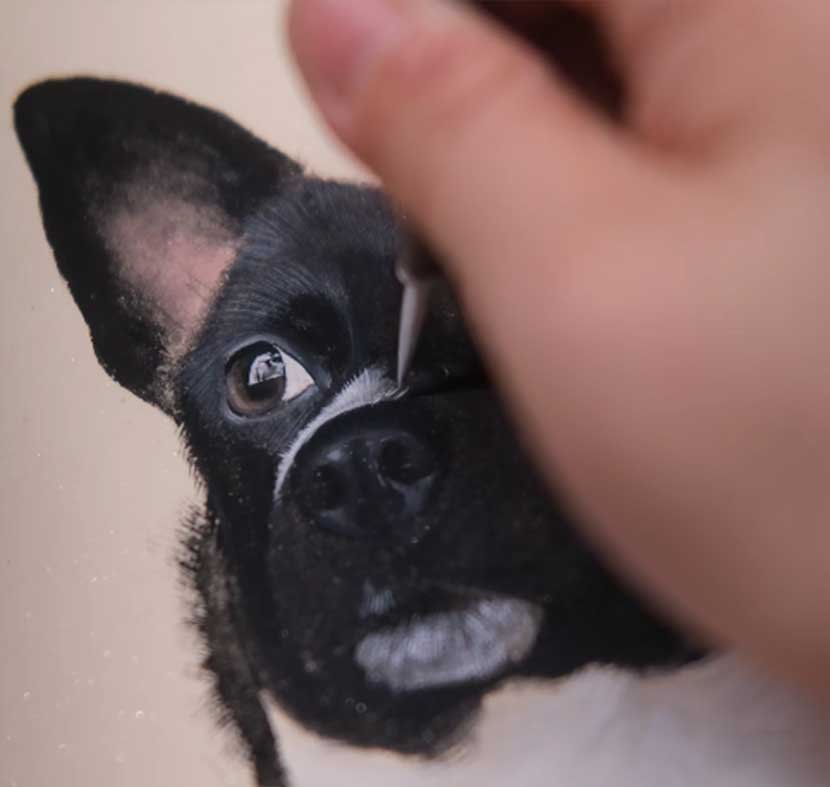
I’ll catch myself leaning too far over the workbench, shoulders slightly tight, squinting at something that probably doesn’t justify the time I’m giving it. A small shift in color near a dog’s muzzle. A barely noticeable angle in the ear.
And I don’t move on.
Not yet.
Because the meaning doesn’t arrive at the end, when the piece is finished and wrapped. It starts building in these small pauses — the moments where something almost feels right, but not quite.
That “not quite” is where everything begins.
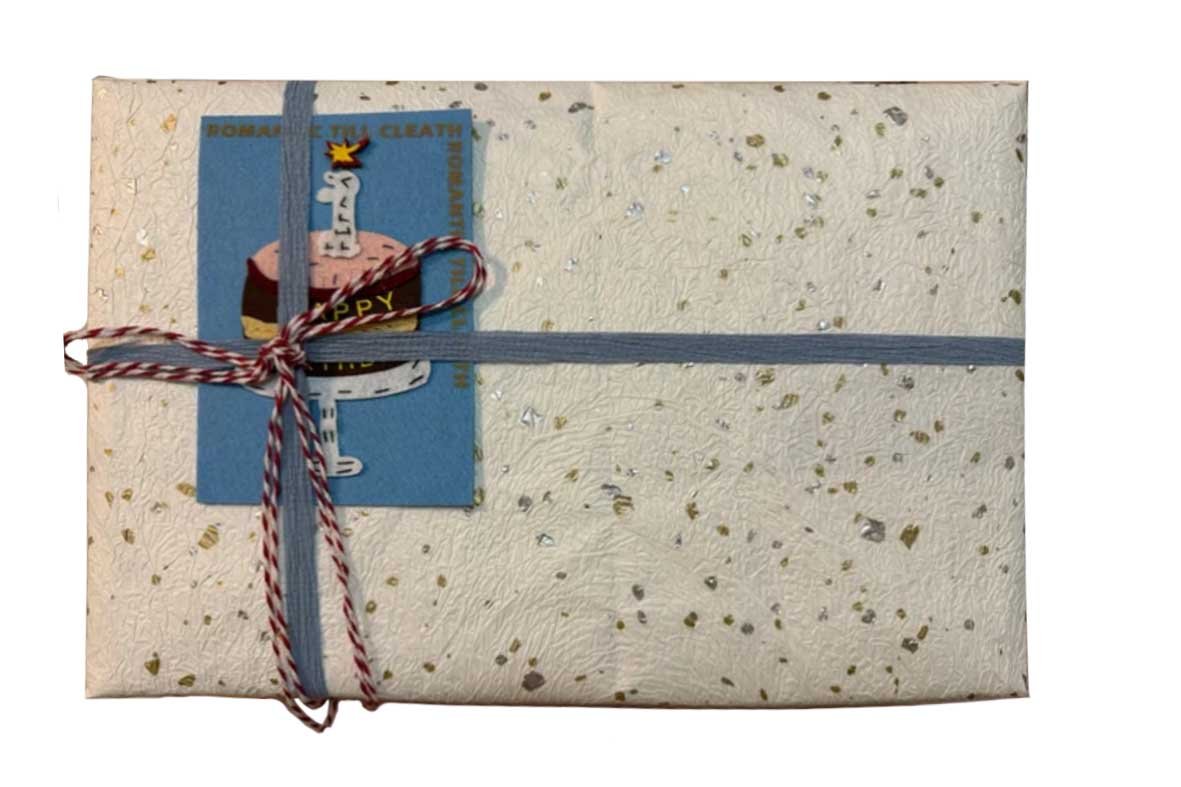
I’ve wrapped enough orders to recognize a pattern.
Some gifts pass through quickly. They’re opened, appreciated, and then quietly absorbed into the background of a home. Nothing wrong with them. They just don’t anchor themselves anywhere.
Others linger.
It’s not about how impressive something looks at first glance. In fact, the more “universally appealing” a gift tries to be, the faster it fades.
Dog owners don’t live with a generic idea of a dog.
They live with habits. Interruptions. Small rituals that repeat every single day.
The way a dog circles before lying down.
The way it pauses at the door, even when no one is there.
The slightly awkward stretch after waking up.
When I work on something meant for a dog owner, I’m not trying to represent the animal as a category. I’m trying to catch one of those habits — something that only makes sense to the person who lived with it.
And I’ll admit, sometimes I spend too long trying to get that right.
I’ll rotate the reference photo. Tilt my head. Lean in closer, then pull back again.
It’s a small adjustment each time.
But eventually, something settles.
And when it does, the piece stops being a gift.
It becomes recognition.
People often bring up the “effort heuristic.”
Yes, effort matters. People value what looks like it took time.
But from my side of the process, it doesn’t feel like effort. It feels more like refusal.
When I’m working on custom pet portraits, I fall into a pattern that’s hard to explain unless you’ve done it yourself.
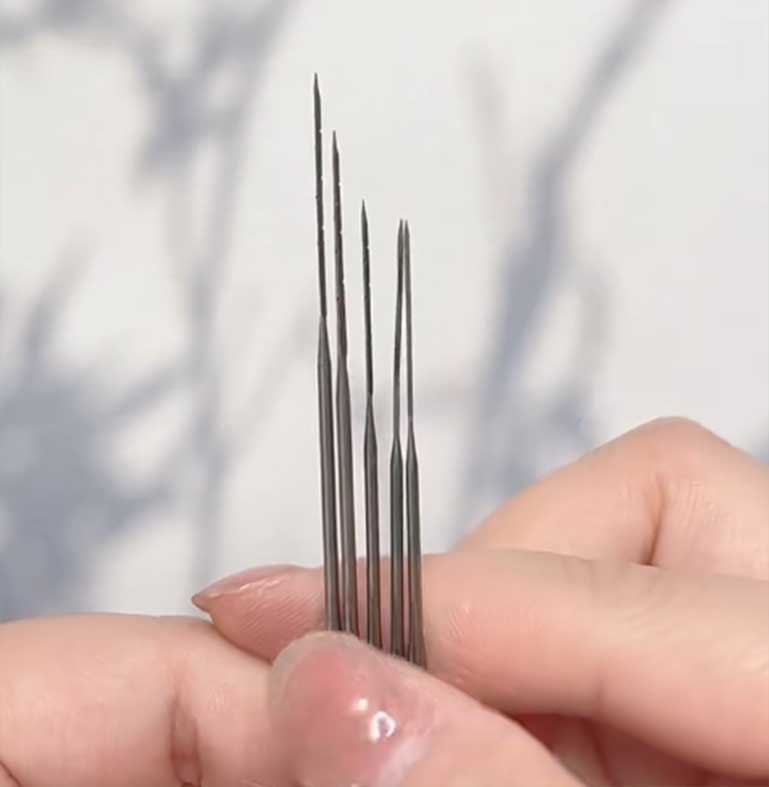
I take a fine needle — sometimes a 40-gauge, sometimes thinner — and begin pressing into the same area of wool. Not forcefully. Controlled. Repetitive.
Press.
Pause.
Tilt the piece under light.
Something still feels off.
So I go back in.
It’s not about changing the shape anymore. It’s about density, direction, tension. Things that don’t show up clearly unless you’re looking for them.
And here’s the strange part — no one asks for this level of correction.
But people notice when it’s missing.
There was one portrait I remember clearly.
Technically, it was flawless. Clean lines. Balanced tones. Every detail visible.
The client looked at it for a while and said, quietly:
“It’s beautiful… but it’s not him.”
That was the moment I stopped chasing perfection.
Now, I pay more attention to what feels slightly unresolved. Because that’s often where the likeness lives.
A custom dog tag should be simple.
Name. Number. Done.
Except it never works that way.
I’ve worked with deep-fiber laser engraving and manual hand-stamping, and the difference between them isn’t just technical — it’s emotional.
Laser engraving gives you precision. Clean edges. Consistent depth.
Hand-stamping is slower. Each strike lands with slight variation. The angle shifts. Pressure changes. Even the steadiness of your wrist plays a role.
At first, customers don’t think this matters.
Then they start hesitating.
Over spacing.
Over alignment.
And over whether the name “sits right” visually.
And the process slows down.
That hesitation is important.
Because at some point, the object stops being functional. It becomes a decision that feels… harder to reverse.
I’ve seen people spend more time adjusting the layout of a dog tag than choosing the material itself.
Not because they care about typography.
But because they understand, intuitively, that this small piece will stay. It will travel. It will be seen.
And suddenly, it matters more than expected.
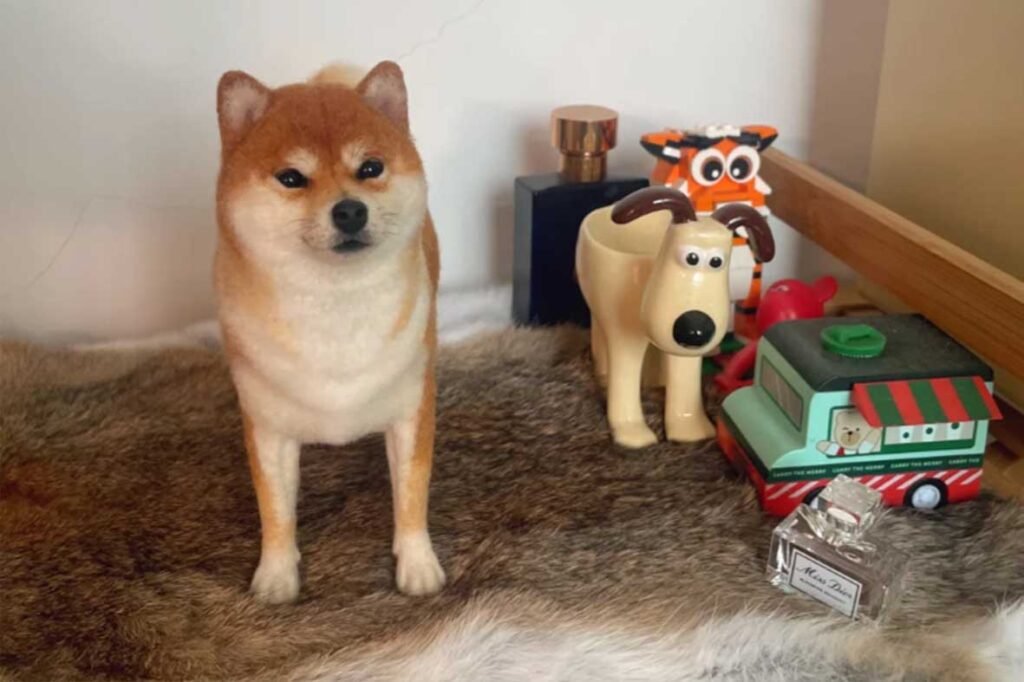
A stuffed animal might start as a replica.
But it doesn’t stay there for long.
Different materials behave in ways that aren’t immediately obvious until you work with them.
I’ve tested synthetic fibers, cotton blends, and natural wool extensively. They respond differently to pressure, to warmth, to time.
Wool, in particular, does something subtle.
It holds heat.
Not for long — just a fraction of a second more than other materials after you touch it.
But your hand notices.
That slight delay creates a sense of presence.
When I shape a piece, I don’t just look at it. I press into it. Release. Press again. Watching how the surface responds, how it recovers.
And sometimes, I deliberately leave a small imbalance.
A tilt that doesn’t fully correct itself.
A curve that isn’t perfectly mirrored.
Because memory isn’t symmetrical.
It never was.
Interestingly, the more accurate a replica becomes, the less people seem to connect with it emotionally.
I didn’t expect that when I started.
But over time, I realized — people aren’t looking for precision.
They’re looking for something that feels familiar when they reach out and touch it.
Memorial pieces change the way everything else feels.
The process slows down. Conversations become quieter.
No one is trying to impress anyone anymore.
Leather ages.
It darkens slightly over time. The surface softens. Edges lose their sharpness.
Wool compresses.
Areas that are touched more often become denser, smoother.
These changes aren’t flaws.
They’re timelines.
Most people assume memorial gifts are meant to provide closure.
But in my experience, that’s not what people are asking for.
They’re asking for continuity.
Something that doesn’t disappear the way flowers do. Something that doesn’t get packed away after a few weeks.
When I create gifts for loss of pet, I’m not thinking about how it looks when it’s finished.
I’m thinking about how it will sit in a room months later.
Still there.
Slightly changed.
Still present.
Because grief doesn’t vanish.
It settles into the background, and objects like these become part of how people live with it.
The truth is, not everything should be fixed.
We’ve gotten used to tools that sharpen, enhance, reconstruct.
And they’re impressive.
But they come with a trade-off.
I’ve seen photos transformed into something technically perfect — every detail restored, every edge defined.
And yet…
Nothing.
No reaction.
Because something got overwritten in the process.
A slightly blurred image, where the posture is right but the details are soft, often carries more emotional accuracy than a fully corrected version.
There’s space in it.
Space for memory to fill in the gaps.
And that space matters more than precision.
Because memory itself isn’t high definition.
It never has been.
There was one piece I almost turned down.
The reference photo was dark. Grainy. Slightly out of focus.
I started to ask for a better one.
Then I stopped.
The dog wasn’t centered. The lighting was uneven.
But the posture was clear.
A slight forward lean. A quiet stillness.
So I kept working from that.
Instead of correcting the image, I worked around it — building texture where I couldn’t see clearly, relying more on weight and balance than on detail.
Some parts had to be interpreted.
Not copied.
When the piece was finished, it didn’t look “perfect.”
But it felt right.
And that was enough.
Because in the end, these aren’t just objects.
They’re not even representations.
They’re attempts — sometimes imperfect ones — to hold onto something that doesn’t stay.
Custom Gifts aren’t valuable because they’re customized.
They’re valuable because someone stopped.
Looked closer.
Stayed longer than necessary.
And decided that the details were worth not rushing.
That decision — quiet, often invisible — is what people feel when they hold the final piece.
Even if they can’t explain why.