Beautiful Plants For Your Interior
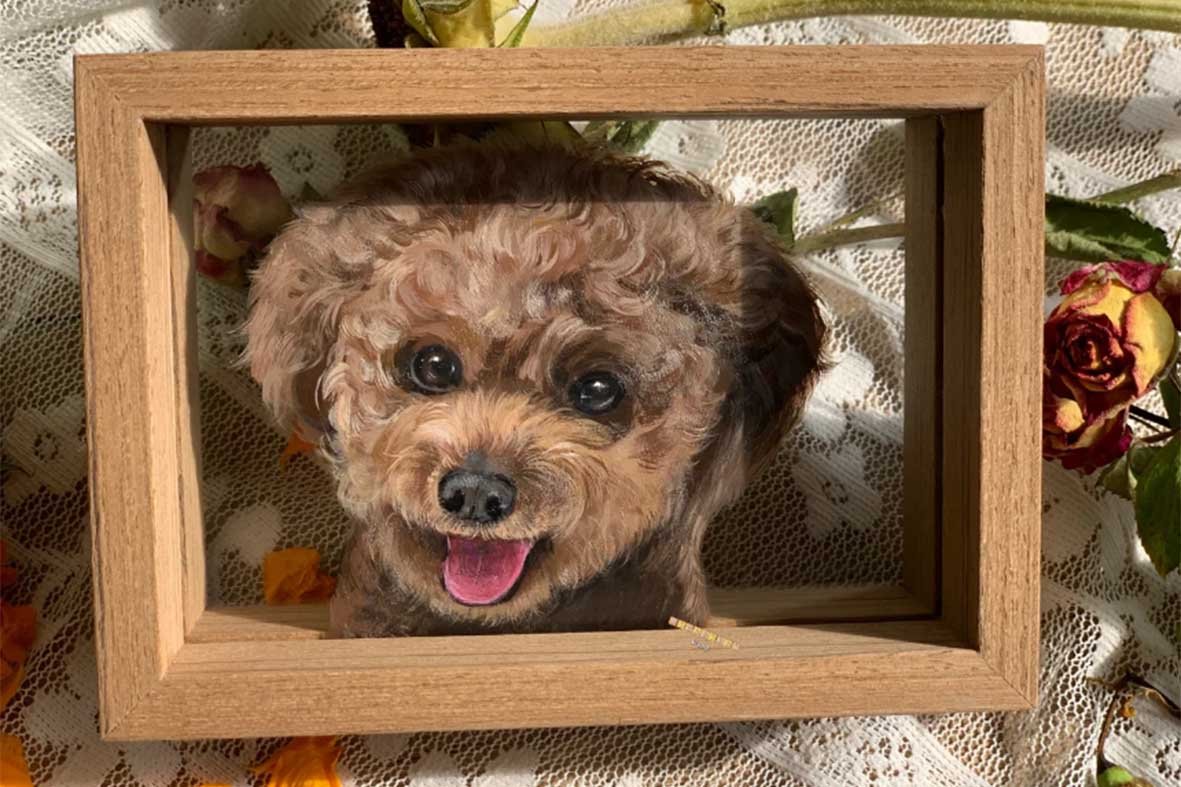
Lighting can either make or break the emotional atmosphere of custom pet art. As an interior designer, I can tell you that lighting isn’t just a technical consideration—it’s about creating a story, evoking emotions, and enhancing the texture and depth of your artwork. Whether it’s a custom pet portrait or a plushie, choosing the right lighting goes far beyond simply turning on a bulb—it’s about ensuring your art speaks in harmony with the room.
Effective art lighting is, for me, a delicate balance where 3000K often serves as a guilty pleasure. It casts a warm, amber glow that transforms any piece into a soft, inviting experience. If you want your custom pet portraits to feel like they’re being bathed in the glow of a fireplace, 3000K is your answer. But don’t mistake it for a neutral or purely functional choice. In fact, it subtly blurs edges, enveloping the artwork in a halo of warmth that can obscure some of the fine details. This warmth makes fur textures look softer and the colors richer but sacrifices the fine precision of strokes. On the flip side, 5000K feels clinical, but it’s essential for precision. When I use 5000K lighting, I’m aiming to bring every fine brushstroke into sharp focus. It’s daylight mimicking, so all colors and textures in the portrait appear more vibrant and true to life. But here’s the catch: the lighting’s crispness can leave you with a cold, stark vibe. For some custom pet portraits—especially those that are meant to evoke warmth—5000K can feel too sharp. It’s perfect for realism but can lack the intimacy of the warmer glow.
Custom pet pillows are about texture. When lit improperly, they look flat and uninspiring. But the right lighting—specifically grazing light—can reveal the subtleties in the fabric, transforming the pillow from a simple accessory into a statement piece. Grazing light works wonders when applied at an angle, emphasizing every fold, every stitch in the fabric. This subtle play of light and shadow adds a depth that flat lighting can never achieve. The trick here is to ensure that the light doesn’t wash out the fine textures. I never use overhead lighting for plush fabrics—it flattens everything, making them look cheap. Instead, I favor angled wall washers or track lights. These allow the light to skim over the pillow, highlighting its tactile beauty without overwhelming the room with unnecessary brightness. But there’s a fine line. Overdoing it with grazing light can create harsh shadows that make even the softest material appear stiff and unnatural. To achieve luxury, the lighting should whisper, not shout.
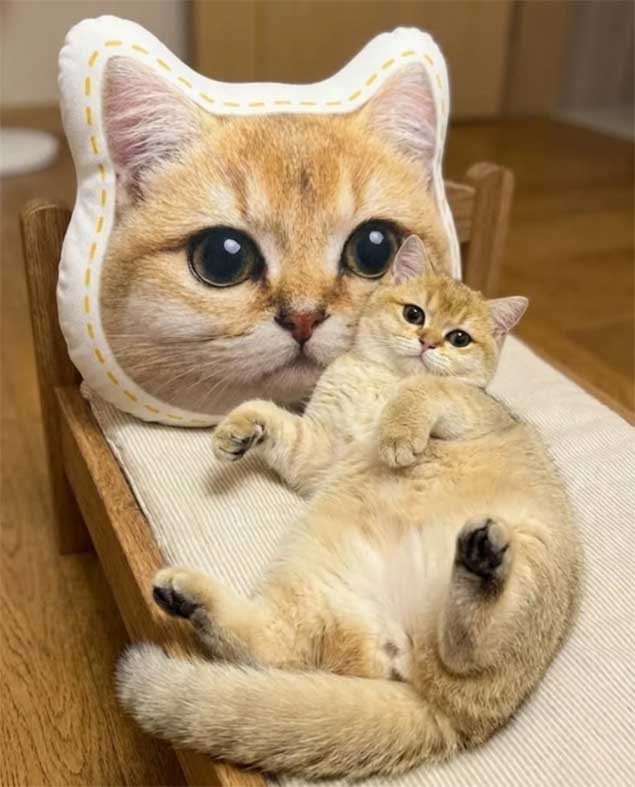
When designing for modern pet lovers, art doesn’t just hang on the wall—it must integrate seamlessly into the room. I see too many designs where art feels like an afterthought. If you’re using custom pet art to bring personality to your space, it’s crucial that it works with your layout, not against it. In minimalist spaces, I opt for discreet lighting that makes the artwork feel like part of the architecture rather than an isolated object. The secret here is using recessed lighting or focused spotlights. These options allow for precise control over the light’s direction, so it highlights your custom pet portrait or plushie without disrupting the room’s flow. Track lighting with adjustable heads is also a favorite of mine—it’s perfect for highlighting custom pet gifts in a gallery-style arrangement. But lighting isn’t just about illumination—it’s about shaping the space. Poorly positioned lighting can make even the most stunning piece of art feel out of place. The key challenge is creating a balance where the artwork becomes the room’s focal point, not an object that pulls attention away from the other design elements.
Custom plushies and other three-dimensional pieces don’t just sit on the shelf—they occupy space and deserve lighting that acknowledges their volume and form. These aren’t flat canvases—they have depth, texture, and movement. To truly show off a custom plushie, you need lighting that can highlight its structure, not just its color. Here, the angle of the light matters. Spotlights and directional lighting create highlights and shadows that emphasize the plushie’s contours. For example, a soft plushie may look “fluffy” under soft light, but the right spotlight can bring out its sculptural quality, giving it a more artistic, dynamic feel. Too much direct light, however, can make the plushie look flat and one-dimensional. You need to keep the light at an angle that accentuates the textures while maintaining depth. When it comes to color accuracy, it’s essential to use light with a high CRI—particularly the R9 value, which affects the rendering of reds. A high R9 (over 90) is crucial for capturing the richness of a plushie’s fabric, especially if you want to bring out vibrant reds, which are often tricky for lower-CRI lights to capture accurately.
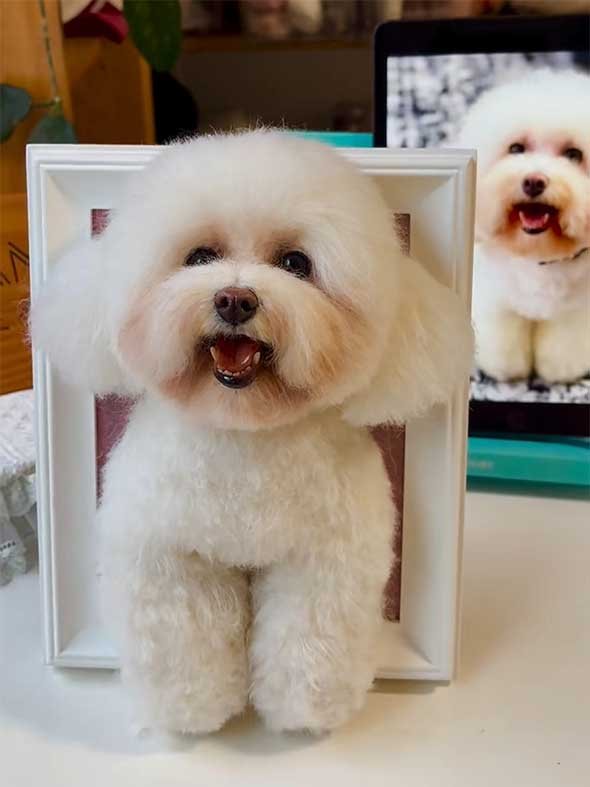
Custom pet gifts are often more than just sentimental—they’re pieces of art. But too often, these gifts are displayed in ways that don’t do them justice. If you’ve received a custom pet portrait, plushie, or pillow, don’t just slap a light on it. Use track lighting or recessed spotlights to add drama and dimension. Track lighting gives you flexibility in highlighting key features of the artwork—whether it’s the intricate details of a custom pet pillow or the vibrant colors of a plushie. I particularly love using narrow beam angles to create focused pools of light, guiding the viewer’s eye to the most important parts of the artwork. This ensures that your custom pet gifts don’t just sit passively in the room—they become a conversation piece, an element that brings depth and richness to your space.
Lighting is a tool that should never be underestimated. It doesn’t just brighten a room—it tells a story. Whether you’re displaying custom pet portraits, pillows, or plushies, understanding how light interacts with texture and form can transform the way your artwork is perceived. As an interior designer, I always tell my clients that lighting isn’t just about illumination—it’s about shaping your space, making your art feel like it belongs, and highlighting the subtleties that make your artwork come to life.